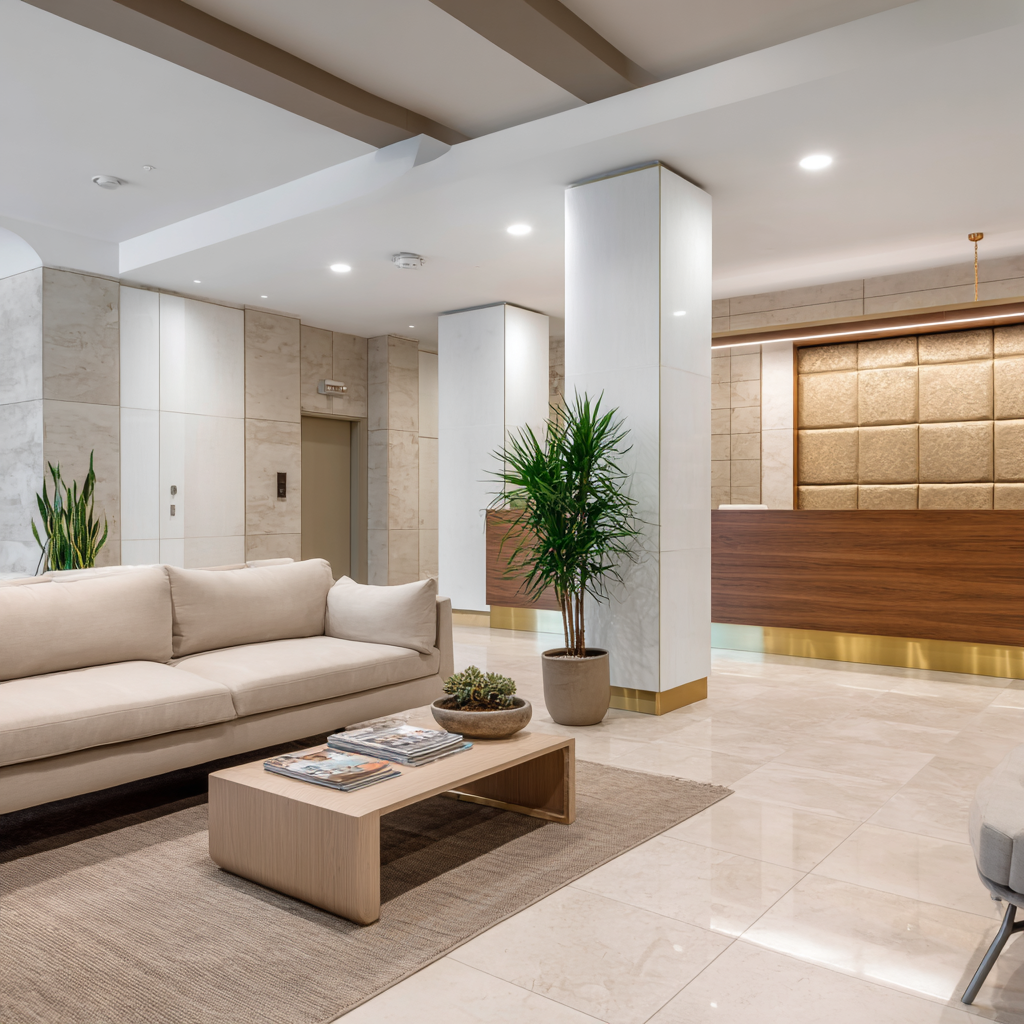
Recovery Blog

Insights, resources, and stories of hope from AXIS Rehab

Blog Posts

Nature therapy session at AXIS Rehab treatment center in San Diego
Nature-Based Recovery

How Nature Therapy Accelerates Healing in Addiction Recovery

For decades, research has shown that spending time in natural environments reduces cortisol levels, lowers blood pressure, and improves mood. At AXIS Rehab, we have woven these findings into the fabric of our treatment programming. Our clients participate in guided nature walks along San Diego's coastal trails, horticultural therapy sessions in our on-campus healing garden, and outdoor mindfulness practices that leverage Southern California's year-round sunshine. Studies published in the International Journal of Environmental Research and Public Health suggest that nature-based interventions can reduce anxiety and depression symptoms by up to 30 percent in individuals recovering from substance use disorders. Our clinical team has observed that clients who engage consistently in eco-therapy report greater emotional regulation, improved sleep quality, and stronger motivation to maintain sobriety after discharge. Whether it is planting seedlings in the garden or practicing breathwork beside the ocean, nature serves as both a mirror and a medicine — reflecting the growth happening within while providing a calm, grounding backdrop for the hard work of recovery. If you or a loved one is considering treatment, ask our admissions team about how nature-based programming can be incorporated into your personalized care plan.
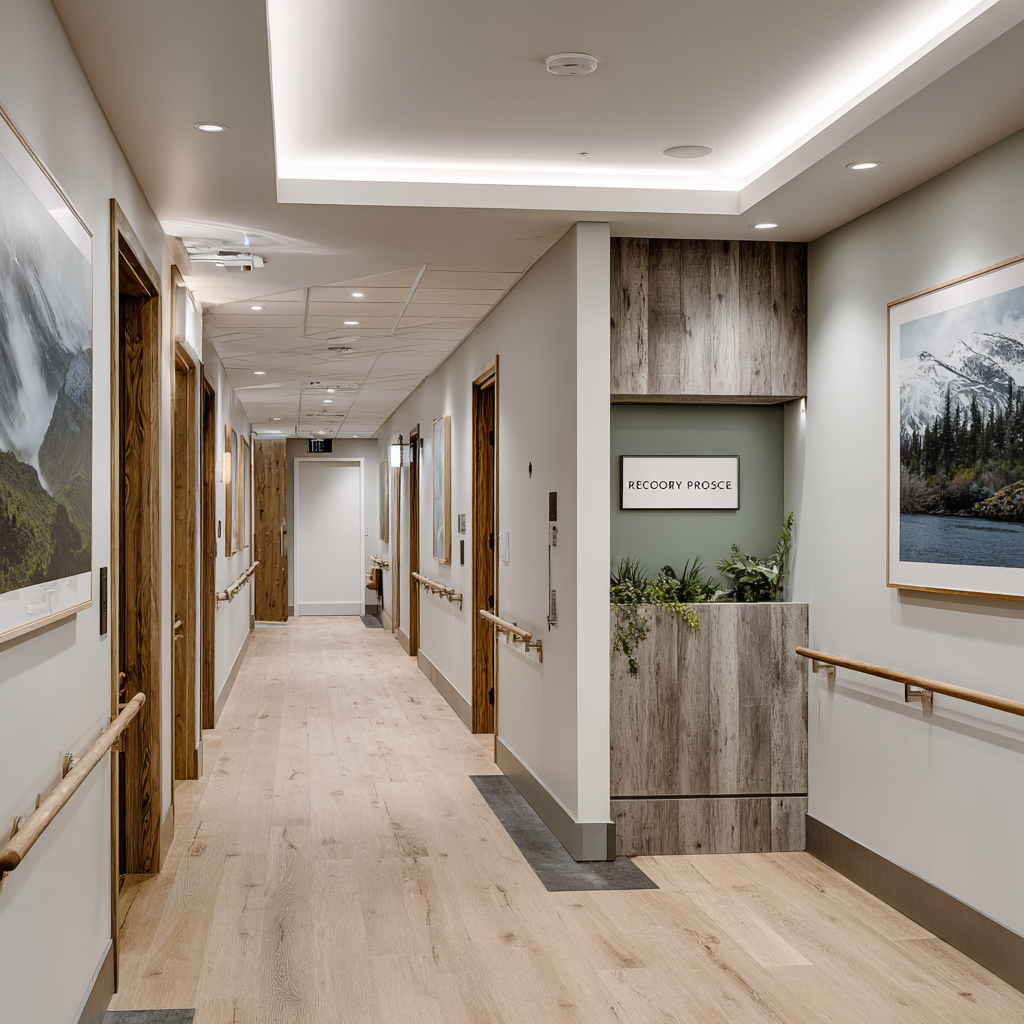

Dual diagnosis therapy session at AXIS Rehab campus
Dual Diagnosis

Understanding Dual Diagnosis: Why Treating Both Conditions Matters

Nearly half of the individuals who seek treatment for a substance use disorder also live with a co-occurring mental health condition such as depression, generalized anxiety, post-traumatic stress disorder, or bipolar disorder. When only one condition is treated in isolation, the untreated disorder often triggers relapse, creating a frustrating cycle that can feel impossible to break. At our treatment center in Clairemont Mesa, dual diagnosis care is not an add-on — it is built into every aspect of our clinical model. Each client receives a comprehensive psychiatric evaluation upon admission, followed by an integrated treatment plan that addresses both the addiction and the underlying mental health challenge simultaneously. Our psychiatrists manage medications while our therapists employ evidence-based approaches like EMDR for trauma processing, DBT for emotional regulation, and ACT for building psychological flexibility. Group therapy sessions are designed so that clients can see how their mental health symptoms interact with cravings and substance use patterns, building self-awareness that becomes a powerful relapse prevention tool. Families also receive education about dual diagnosis so they can provide informed support after their loved one returns home. Recovery is not about choosing which condition to treat first — it is about healing the whole person, and that is exactly what our team is trained to do.

Family visiting a loved one during treatment at AXIS Rehab
Family Support

Supporting a Loved One in Treatment: A Guide for Families

When someone you care about enters a treatment facility, it is natural to feel a complex mix of relief, worry, guilt, and hope. At AXIS Rehab, we recognize that addiction affects entire families, not just the individual using substances. That is why family involvement is a central pillar of our treatment philosophy. During your loved one's stay at our campus, you will have opportunities to participate in family therapy sessions facilitated by licensed marriage and family therapists who specialize in addiction dynamics. These sessions help repair communication breakdowns, establish healthy boundaries, and rebuild trust that may have eroded over months or years of active addiction. We also host a monthly family education workshop where our clinical director explains the neuroscience of addiction, the stages of recovery, and practical strategies for creating a supportive home environment. Visiting hours are available on weekends in our dedicated family visitation suite, a comfortable space designed to feel warm and private rather than clinical. Beyond structured programming, we encourage families to attend local Al-Anon or Nar-Anon meetings, and our case management team can provide referrals to family therapists in your community for continued support after discharge. Remember: seeking help for your loved one is an act of profound courage, and taking care of yourself throughout this process is equally important. Our admissions coordinators are available at (858) 288-4583 to answer any questions you may have about how to best support your family member during and after treatment.

Need Help Now?

If you or a loved one is struggling with addiction, do not wait. Contact us today.